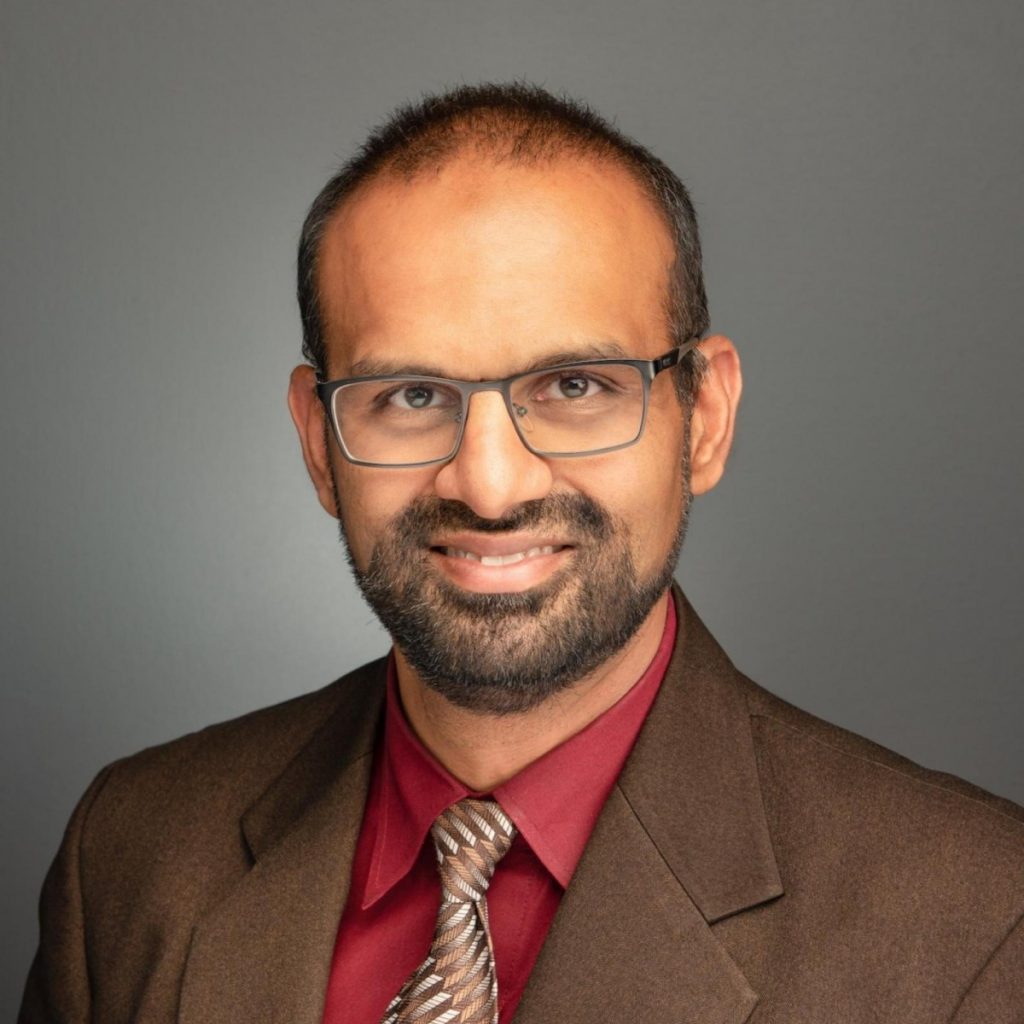
An announcement and some a brief reflection
After more than a decade and half at my law practice dedicated in large part to the Islamic Rules of Inheritance and Estate Planning for the Muslim community, I have decided to shut down. I have joined the law firm of Bohm, Wildish, and Matsen LLP in Costa Mesa. I head up the firm’s Asset Protection and Estate Planning Department.
It started with a conversation in court
The first several years of my 22-year career in Law has been focused on litigation at a couple of law firms. In 2006, I met a former co-worker in court who told me he opened his own law practice. One of the things he was doing was estate planning. I had taken courses on Wills and Trusts and taxation in law school, but estate planning, let alone Islamic Estate Planning was not something I had previously given much thought to. I had not done any estate planning of my own, like most Muslims perhaps. That conversation took me on the path of learning that I would not have anticipated.
Islamic Inheritance Education Was Almost Non-existent
I discovered there was an area of law that was fard (obligatory) for Muslims, but no lawyers had ever given serious attention to it that I had seen. Education on Islam and inheritance in my community was scant. Sophisticated knowledge of how this system fits in California or other states was almost nonexistent. It t was like this vital area of Islam was shrouded in darkness. I had remarked that Muslims can be born in the US, go to Friday prayers and weekend schools and halaqas throughout childhood and adulthood, die, and never know that Islamic inheritance is an actual thing and an obligation they need to do something about.
Since then, I have been grateful to work with and learned from over a thousand Muslim clients, spoken at many Muslim conferences, Masajid, community gatherings, and small halaqas with friends, to discuss how the process of Islamic Estate Planning works. I have also helped several lawyers around the country learn more about Islamic Estate Planning, learning from them along the way. Over the years I have also had the experience of seeing many of my clients pass away, including my parents. I have seen plenty of extreme family drama, elder abuse, scams but also plenty of humanity, kindness and love through generations of Muslim families.
Where I am now
My new position takes over an established Asset Protection and Estate Planning practice with mostly non-Muslim clients, though I am still an Islamic Estate Planning Attorney. I came to the firm I am at now because it offers history, a strong client base, and resources I need to provide better service.
The firm I am joining is especially strong in international and domestic asset protection. I am also in a much better position to help clients with Trust administration (when someone with a trust passes away), business planning, charitable tax planning, conservatorships, probates, and a wide range of other challenges. Resources matter in law practice, and I hope and pray the move is something that will help me continue to grow and learn and also provide my clients with better service going forward.
I have closed my old law firm’s website, but islamicinheritance.com will remain as a place where I will write articles specifically about Islamic Estate Planning issues. I will also write more about asset protection and other areas that you may find useful.
Thank you for reading this all the way through. If you want to discuss Islamic Estate Planning, Asset Protection Planning, Charitable Planning, Disability and Incapacity Planning, Business Planning, you can reach out for a 15-minute mini-consultation. Your referrals are also greatly appreciated.